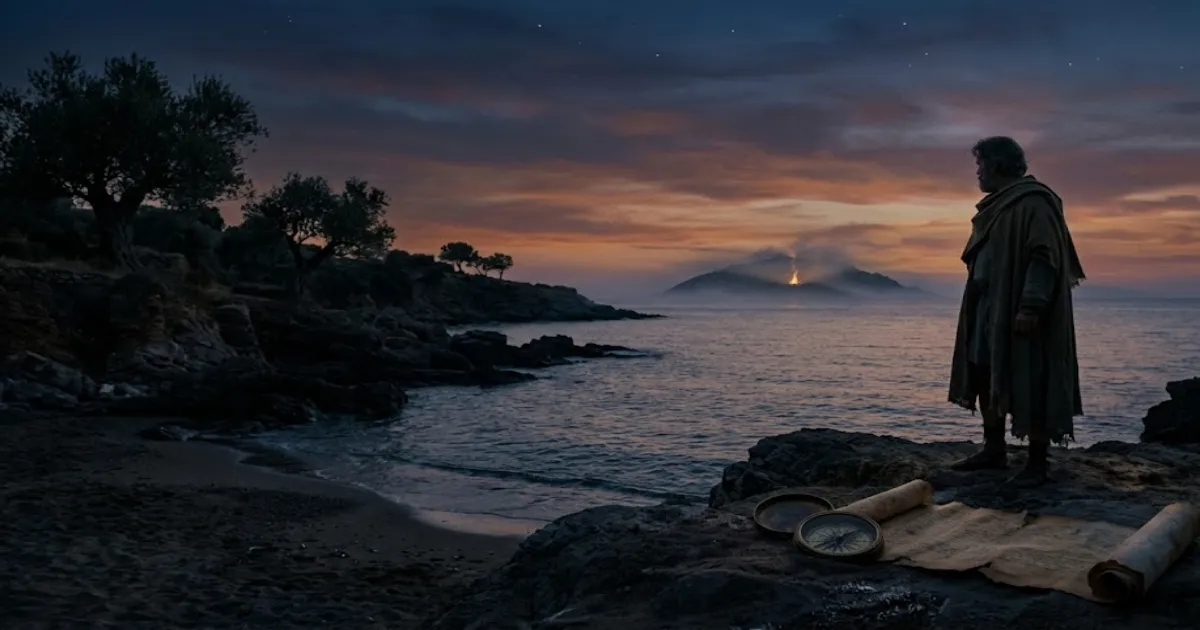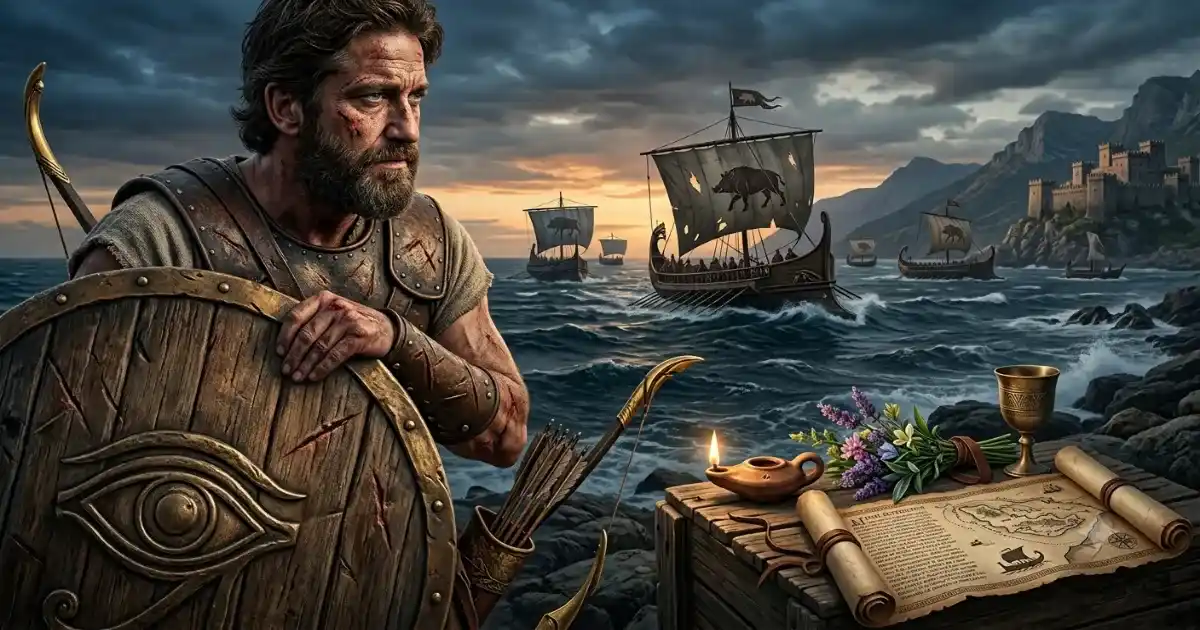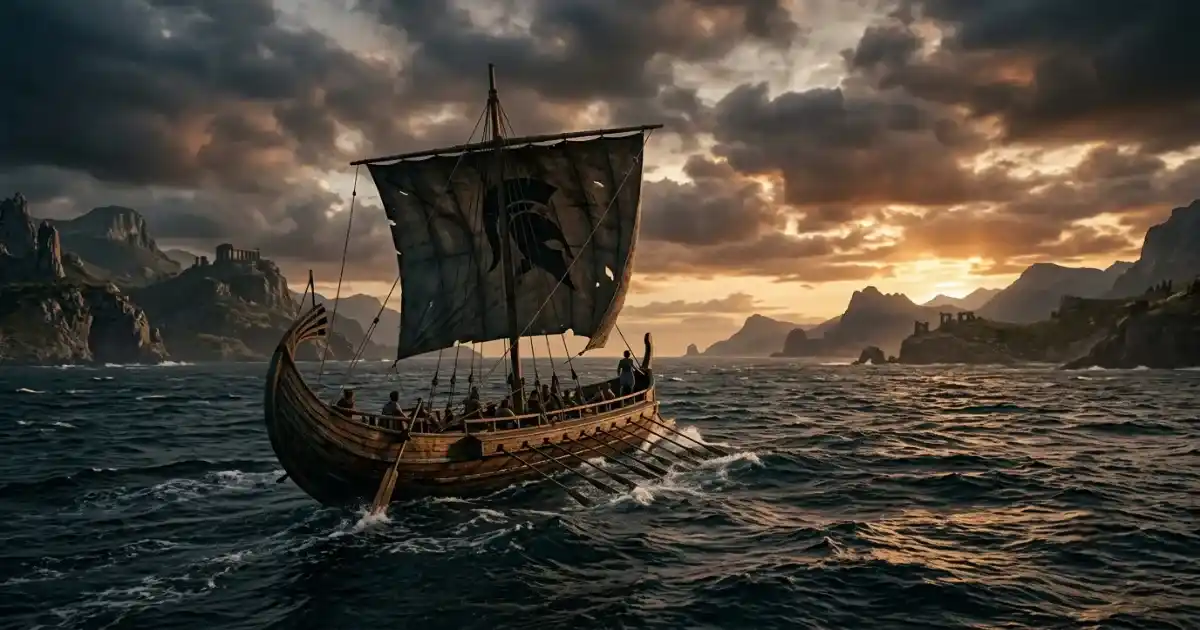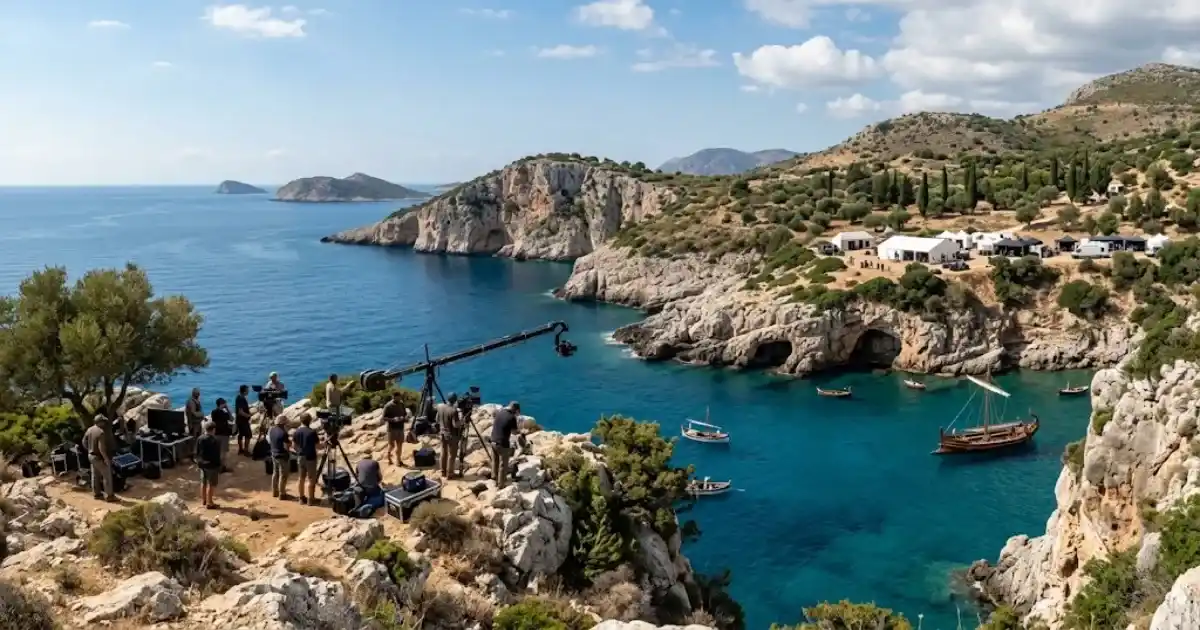
The Odyssey was filmed across some of the most breathtaking real-world locations, including Greece, Italy, Morocco, Iceland, and Scotland. Each destination was carefully chosen to recreate the scale, mystery, and beauty of Homer’s legendary world.
While watching The Odyssey (2026), I was immediately impressed by how much the locations contributed to the storytelling. The landscapes did not feel like simple backgrounds; they felt like living parts of Odysseus’ journey. From ancient ruins and dramatic coastlines to remote mountains and volcanic landscapes, every location helped create the feeling of a true mythological adventure.
In this guide, I’ll take you through the real filming locations used for The Odyssey, explain why Christopher Nolan’s team selected these places, and share what fans can expect when visiting these iconic destinations.
Movie Overview
The Odyssey (2026) is Christopher Nolan’s cinematic adaptation of Homer’s legendary Greek epic. The film follows Odysseus, the King of Ithaca, as he attempts to return home after the Trojan War while facing mythical challenges, dangerous creatures, and powerful forces.
The movie stars Matt Damon as Odysseus, alongside a large ensemble cast including Zendaya, Anne Hathaway, and other major Hollywood performers.
One of the biggest creative decisions behind the film was Nolan’s commitment to practical filmmaking. Instead of creating every environment digitally, the production team traveled to real locations that could naturally represent the mythology and scale of Homer’s story.
As I watched the movie, I noticed how much the physical locations influenced the atmosphere. The journey felt exhausting, mysterious, and dangerous because the landscapes themselves communicated the challenges Odysseus was facing.
Where Was The Odyssey Filmed?
The Odyssey was filmed across some of the most visually dramatic landscapes around the world.
The production used locations in:
- Greece
- Morocco
- Italy
- Iceland
- Scotland
Each country represented a different part of Odysseus’ legendary journey.
Instead of making a fantasy world from scratch, Nolan’s team searched for places that already looked ancient, powerful, and untouched by modern civilization.
For me, this approach made the movie feel different from many modern fantasy productions. When you see a character standing beside a real ancient structure or walking through a natural landscape, the scene carries a different emotional weight.
Complete Filming Locations
1. Morocco — Troy and The Trojan War Locations
One of the most important filming regions for The Odyssey was Morocco.
The production used locations including:
- Aït Benhaddou
- Essaouira
- Marrakech region
Aït Benhaddou, a historic fortified village near Ouarzazate, was used to represent the ancient city of Troy. The location has previously appeared in several major Hollywood productions because of its historic architecture and desert surroundings.
When I watched the Troy-related sequences, this location immediately helped establish the scale of the ancient world. The massive walls, stone structures, and desert environment created a feeling that I was looking at a real ancient civilization rather than a digitally created set.
The coastal areas near Essaouira were also used for maritime and Trojan-related scenes. The combination of ocean, cliffs, and open landscapes perfectly matched the feeling of a civilization connected to the sea.
Why Morocco Worked Perfectly
Morocco provided:
- Ancient-looking architecture
- Vast desert landscapes
- Historic locations
- Natural Mediterranean-style scenery
The location choice helped Nolan show Troy as a powerful civilization while keeping the visuals grounded and realistic.
2. Greece — The Heart of Ancient Mythology
Since The Odyssey is based on one of the most famous Greek stories ever written, filming in Greece was one of the most important creative decisions.
The production filmed in areas of the Peloponnese region, including:
- Messinia
- Pylos
- Methoni Castle
- Nestor’s Cave
- Voidokilia Beach
- Acrocorinth
These locations helped recreate some of the mythical environments from Homer’s story.
Nestor’s Cave and the surrounding landscapes were especially important because they connected the movie visually with ancient Greek mythology.
While watching these scenes, I felt that Greece gave the movie an authentic emotional connection. The mountains, caves, and coastline made Odysseus’ journey feel connected to the original legends.
The beaches and rocky landscapes also created the perfect environment for a story about exploration, survival, and the unknown.
3. Italy — Islands, Seas, and Odysseus’ Journey
Italy played another major role in bringing Homer’s world to life.
The production filmed in:
- Favignana Island, Sicily
- Aeolian Islands
- Lipari
- Basiluzzo
- Vulcano
The islands of Sicily were used to represent parts of Odysseus’ journey across the Mediterranean.
Favignana was especially significant because its dramatic coastline and island landscapes matched the feeling of Ithaca and other mythical locations from the story.
When I watched the sea sequences, these locations made the journey feel much larger. The endless water surrounding the characters reminded me that Odysseus was not simply traveling home — he was fighting against nature itself.
4. Iceland — The Dark and Mysterious Side of Odysseus’ Journey
Iceland was another important filming destination for The Odyssey (2026), bringing a completely different visual identity to the movie. While Greece and Italy represented the Mediterranean world of ancient civilizations, Iceland provided landscapes that felt colder, more dangerous, and almost otherworldly.
The production used Iceland’s dramatic natural environments, including volcanic landscapes, glaciers, mountains, and rugged coastlines, to create some of the darker and more mysterious parts of Odysseus’ journey.
When I watched these sequences, I noticed how different the atmosphere became compared to the warmer Mediterranean locations. The black volcanic rocks, endless open landscapes, and harsh weather conditions made these scenes feel isolated and unpredictable.
Instead of showing mythology through fantasy visuals alone, Nolan’s approach made nature itself feel like an opponent. The landscapes created the impression that Odysseus was entering places beyond the normal human world.
Why Iceland Was a Perfect Choice
Iceland offered:
- Ancient-looking volcanic terrain
- Dramatic mountains and cliffs
- Extreme weather conditions
- Unique landscapes rarely seen in traditional historical films
For scenes involving mystery, danger, and unknown territories, Iceland provided a realistic environment that could make audiences feel the scale of Odysseus’ adventure.
As a viewer, I felt that these locations added another layer to the story. The journey was not only about fighting enemies; it was also about surviving environments that felt impossible to overcome.
5. Scotland — Rugged Landscapes and Epic Coastal Scenes
Scotland was also part of The Odyssey’s international filming locations. Known for its dramatic highlands, ancient castles, and wild coastlines, Scotland has become a popular destination for large-scale historical and fantasy productions.
The production used Scotland’s natural landscapes to capture scenes requiring a sense of isolation and ancient wilderness.
The Scottish terrain worked well because it already carries a timeless feeling. The mountains, cliffs, and open fields appear almost untouched, which helped the filmmakers create a world that feels separate from modern life.
While watching these scenes, I noticed that Scotland brought a different emotional tone to the movie. The landscapes felt lonely and powerful, which matched the theme of a hero struggling through a long journey.
Why Scotland Added Value to the Film
Scotland provided:
- Dramatic coastal scenery
- Ancient-looking landscapes
- Natural environments without heavy CGI requirements
- A sense of scale and adventure
For a story like The Odyssey, where the hero travels through unknown territories, these landscapes helped communicate the feeling of distance and hardship.
Studio Locations
Although The Odyssey was filmed across multiple real-world locations, the production also required controlled studio environments for complex sequences.
Large-scale productions like this typically combine:
- Practical location filming
- Studio sets
- Visual effects enhancement
- Controlled environments for action sequences
Christopher Nolan is known for using practical filmmaking whenever possible, and The Odyssey follows a similar approach.
Instead of building the entire ancient world digitally, the filmmakers captured real landscapes first and then enhanced them when necessary.
This approach creates a different viewing experience. When I watched the movie, many scenes felt more physically believable because the actors were interacting with real environments rather than only green screens.
The combination of authentic locations and studio work allowed the film to maintain both realism and cinematic scale.
Why These Locations Were Chosen
The locations selected for The Odyssey (2026) were not random choices. Each place served a specific storytelling purpose.
1. To Create Authenticity
Homer’s Odyssey is deeply connected to the Mediterranean world, ancient civilizations, and legendary journeys.
Using real historical and natural locations helped the filmmakers create a world that feels believable.
When audiences watch Odysseus standing near ancient ruins or walking through landscapes that look untouched for centuries, the story becomes more immersive.
2. To Reduce Dependence on CGI
Modern movies often rely heavily on digital environments, but Nolan’s filmmaking style focuses on practical elements.
Real locations provide:
- Natural lighting
- Real textures
- Authentic atmosphere
- Better interaction for actors
This was noticeable throughout the film. The environments did not feel like artificial fantasy backgrounds; they felt like places where the characters actually existed.
3. To Represent Different Worlds Within The Story
Odysseus’ journey is not a single adventure. It moves through different environments, emotions, and challenges.
The locations helped separate these experiences:
This variety helped make the journey feel larger and more unpredictable.
Can Fans Visit These Locations?
Yes, many of the filming locations used for The Odyssey can be visited by fans.
One of the exciting things about this movie is that many locations are not fictional sets — they are real places with their own history.
Morocco
Fans can visit:
- Aït Benhaddou
- Marrakech region
- Essaouira coastline
Aït Benhaddou is already a famous filming destination and has appeared in many international productions.
Greece
Fans interested in exploring the Greek locations can visit:
- Voidokilia Beach
- Methoni Castle
- Pylos region
- Ancient sites around the Peloponnese
These places allow visitors to experience the landscapes that inspired countless Greek legends.
Italy
Travelers can explore:
- Sicily
- Favignana Island
- Aeolian Islands
The Mediterranean atmosphere makes these locations especially appealing for fans who want to experience the world shown in the film.
Iceland and Scotland
Both countries are popular destinations for travelers interested in cinematic landscapes.
Visitors can experience:
- Volcanic terrain
- Mountains
- Coastal cliffs
- Historic locations
For fans of The Odyssey, visiting these places can feel like stepping into the world created by Nolan’s film.
Behind-the-Scenes Facts About The Odyssey Filming
1. The Production Used Real Locations Worldwide
One of the biggest highlights of The Odyssey production is its global scale.
Instead of limiting filming to one country, the team traveled across different regions to capture landscapes that matched different parts of Homer’s story.
2. Christopher Nolan Focused on Practical Filmmaking
Nolan has consistently preferred practical filmmaking techniques, and The Odyssey continues that tradition.
Real environments allowed actors to physically experience the same conditions shown on screen.
3. IMAX Filming Increased the Scale
The movie was designed as a major cinematic experience, with large-format filming techniques intended to showcase the landscapes in incredible detail.
When watching scenes on a large screen, these locations become one of the biggest attractions of the movie.
4. The Locations Became Part of the Story
The most impressive thing about The Odyssey’s locations is that they do not simply decorate the film.
- They communicate emotions.
- A peaceful coastline can represent hope.
- A dark volcanic landscape can represent danger.
- A vast ocean can represent uncertainty.
That is why the locations feel like another character in the movie.
Google Map/Table: The Odyssey Filming Locations
Final Thoughts
After watching The Odyssey (2026), I believe the filming locations are one of the biggest reasons the movie feels so immersive. The landscapes do more than create beautiful visuals — they help tell Odysseus’ story.
From the ancient streets of Morocco to the Greek coastlines and dramatic landscapes of Iceland and Scotland, every location adds a different emotion to the journey.
For fans, these places are not just filming locations. They are real-world connections to one of history’s greatest adventure stories.